
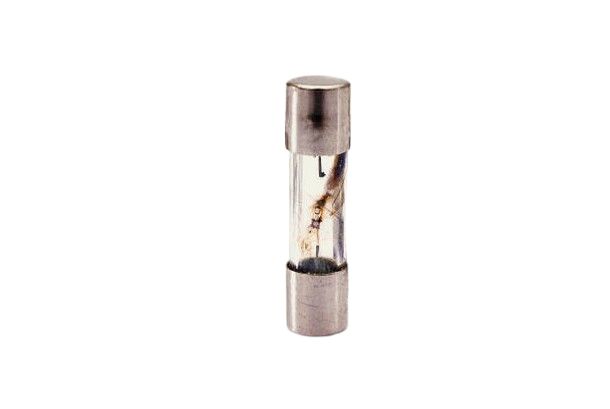

Circuit fuses are safety devices designed to interrupt the flow of electricity when the current exceeds a predetermined limit. By breaking the circuit, they prevent overheating and potential failures in electronic devices, ensuring both performance and safety.
Types of Circuit Fuses
1. Surface Mount Fuses
• Description: Compact fuses designed for mounting directly onto circuit boards, ideal for modern electronics.
• Common Uses: Widely used in smartphones, tablets, and other compact devices.
2. Through-Hole Fuses
• Description: These fuses are inserted into holes on the circuit board and soldered in place.
• Common Uses: Common in older electronics and applications requiring higher power ratings.
3. Resettable Fuses (PTC Fuses)
• Description: Polymer-based fuses that return to a normal state after a fault is cleared, offering convenience in maintenance.
• Common Uses: Ideal for PCs and consumer electronics where user-friendliness is a priority.
4. Ceramic and Glass Fuses
• Description: Available in various sizes, these fuses are used for their high voltage and current handling capabilities.
• Common Uses: Often found in industrial applications and power supplies.
———————————————–
Choosing the Right Circuit Fuse
Selecting the correct fuse for your circuit board or electronic device is crucial. Consider the following factors:
1. Current Rating: Ensure the fuse can handle the maximum expected current.
2. Voltage Rating: The fuse must be rated for the voltage present in the circuit.
3. Time Characteristics: Choose between fast-blow (for sensitive circuits) and slow-blow (for devices with inrush current).
4. Physical Size: Ensure the fuse fits properly on the circuit board.
Benefits of Circuit Fuses
• Protection Against Damage: Prevents damage to components from excessive current.
• Fire Safety: Reduces the risk of electrical fires due to overheating.
• Cost Efficiency: Simple replacement of a fuse is more economical than repairing damaged devices.
Installation and Maintenance Tips
1. Consult Documentation: Always refer to the device’s manual for specific fuse recommendations.
2. Use Appropriate Tools: Ensure you have the correct tools for safe installation or replacement.
3. Check Specifications: Verify that replacement fuses match the original in terms of current and voltage ratings.
———————————————–
Conclusion
Circuit fuses are essential for the protection of circuit boards and electronic devices. By understanding the types of fuses available and how to select the right one, you can enhance the safety and reliability of your electronics. For expert advice or assistance, please contact our team.

Reviews
There are no reviews yet.